
Key Takeaways
- Treating data security like a minor IT problem instead of a boardroom mandate guarantees you will fail the audit and lose enterprise deals.
- You cannot fake a functioning Information Security Management System; auditors demand raw, timestamped logs proving you actively kill threats.
- Knocking out this framework proves to massive buyers that your infrastructure is legally sound and not a vulnerable ticking time bomb.
Flying blind with your company's data security is a fast track to a massive breach and a catastrophic lawsuit. Most startups wing their security protocols, throwing random firewalls at the problem and hoping a hacker never notices the holes in their cloud architecture. That delusion ends the second an enterprise buyer demands hard proof that you actually protect their proprietary data. If you want to close serious contracts, you need a rigid ISO 27001 compliance checklist to secure your infrastructure.
What is ISO 27001?
This standard is the ultimate lie detector for corporate security. It forces you to build an Information Security Management System (ISMS) that physically proves you manage data securely. You cannot just claim your servers are safe. You must execute rigid, documented protocols that actively hunt down and neutralize vulnerabilities daily.
Enterprise buyers refuse to touch unregulated vendors. Passing this audit hands you a massive commercial weapon, proving you actually track access logs and aggressively monitor threats. Failing to adopt these rules guarantees major clients will rip up your contracts because your unverified network is a massive liability to their operations.
ISO 27001 Compliance Checklist: Everything You Need to Know
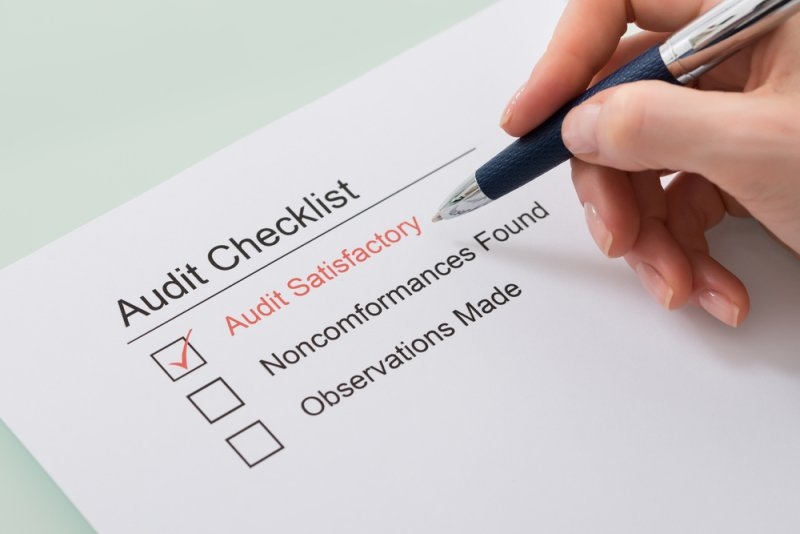
This is not a friendly set of suggestions. This ISO 27001 implementation checklist is a brutal, non-negotiable roadmap that stops you from bleeding data.
Define Your ISMS Scope
Stop trying to boil the ocean. Pinpoint the exact physical servers, departments, and databases that actually need oversight before an auditor rips your entire messy pipeline apart.
Secure Boardroom Sign-Off
The CEO cannot dodge this. Top executives must actively assign roles and sign off on security policies, proving they take the financial hit if the system crashes.
Enforce an ISO 27001 Controls Checklist
You cannot just trust your developers. Install hard technical locks that automatically monitor access, force multifactor authentication, and instantly kill unauthorized attempts to scrape your databases.
Mandate Security Training
Your firewall is useless if someone in marketing clicks a phishing link. Force your employees through security training so they stop handing over their passwords to massive corporate threats.
Try This: An ISO 42001 Compliance Checklist for Safer AI Governance
How Does ISO 27001 Risk Assessment Help Businesses?
You cannot fix a vulnerable network until you admit exactly where it is bleeding. An aggressive ISO 27001 risk assessment forces you to strip your infrastructure down and hunt for disasters.
Identifies Ticking Time Bombs
It allows you to locate the security holes your IT team ignored. You find the unpatched servers and the rogue employee accounts before a hacker exploits them.
Ranks Catastrophic Threats
Not all bugs destroy the company. This assessment forces you to categorize threats by brutal financial impact, ensuring you spend cash fixing the massive vulnerabilities instead of minor, irrelevant glitches.
Dictates the Action Plan
You do not just list the problems and walk away. The assessment legally requires you to document exactly how you will mitigate, transfer, or accept the risk, holding your engineering team accountable.
How to Execute an ISO 27001 Internal Audit Checklist?
Do not wait for a third-party examiner to embarrass your IT department. Run a ruthless ISO 27001 internal audit checklist to tear your own system apart first.
Hire an Independent Internal Reviewer
Do not let the guy who built the firewall audit the firewall. Bring in a separate, cynical reviewer from another department to run the ISO 27001 audit checklist and aggressively hunt for the massive holes your engineers tried to hide.
Interrogate Employee Compliance
Walk the floor and physically test your staff. If employees leave their laptops unlocked or have passwords written on sticky notes, you instantly write them up and lock down their access.
Test the Incident Response
Pull the plug on a server and see what happens. You have to physically run disaster drills to prove your team actually knows how to execute the recovery plan under extreme, chaotic pressure.
Why AttestPath?
Manually grinding through a SOC 2 and ISO 27001 audit simultaneously will bleed your budget dry and sideline your best engineers for months. Attestpath.ai can completely help you avoid this massive issue. It hardwires directly into your cloud stack, automatically mapping out overlapping security controls and ripping real-time evidence straight from your servers. It lets you lock down these enterprise certifications without forcing your team to suffer through the miserable manual paperwork.
Conclusion
You cannot fake your way through an enterprise security audit. Massive corporations are terrified of data leaks, and they will physically audit your infrastructure before trusting you with their proprietary information. Sticking to a rigid ISO 27001 compliance automation checklist completely removes the guesswork from your engineering pipeline.
Frequently Asked Questions
How much does achieving this certification actually cost a startup?
Depending on your current disaster of a network, expect to burn anywhere from $40,000 to $80,000. This includes external auditor fees, compliance software, and the raw engineering hours required to rebuild your garbage access controls.
How long does a certification remain valid before you have to do it again?
The certificate lasts exactly three years, but you do not get to just walk away. You must survive mandatory surveillance audits every single year to prove you have not let your security protocols rot.
What is the exact difference between SOC 2 and ISO 27001?
SOC 2 is an American standard focused heavily on how you handle customer data and privacy in the cloud. The ISO standard is a global framework that allows you to build an entire top-down corporate management system to govern all physical and digital security.
Do you need to use expensive compliance automation software to pass?
No, you can technically track an ISO 27001 certification checklist on massive, chaotic spreadsheets, but you will hamper your team's sanity. Automation software hardwires into your cloud stack and pulls evidence instantly, saving you hundreds of hours of miserable manual labor.
Can a company fail the Stage 1 audit and still recover?
Yes. Stage 1 is just a documentation review. If the auditor finds holes in your paperwork, they will flag non-conformities and pause the process. You get a window to physically fix the garbage documentation before they return for the brutal Stage 2 technical evaluation.




