
Key Takeaways
- Being GDPR compliant means that you are processing personal data fairly, safely, securely, and only for the right reasons.
- GDPR must be used for data collection, obtaining consent, people's rights, security, retention, third-party processors, and breach management.
- Following a GDPR compliance checklist can expose your shortcomings in the field of data privacy and security.
- GDPR breach notification rules imply that it is crucial to assess and act upon an incident quickly when personal data is affected.
The General Data Protection Regulation (GDPR) is a regulation on data collection and processing in the EU. It provides clear instructions to protect data and enable the free flow of data throughout the EU.
Adhering to GDPR protects the rights of individuals as well as minimises compliance, security, and operational risks for a company.
What is GDPR compliance?
When processing personal data, what is GDPR compliance? You are GDPR compliant when you adhere to the GDPR rules that are relevant to your organisation. The regulation applies to businesses based in the European Economic Area, as well as organisations outside of it if the processing they perform is within the territorial scope of the regulation.
It's about having a clear understanding of what personal data your organisation has, what you're doing with that data, and how long you need to keep it. If the individual requests access, we know how to respond.
Who Needs to Follow GDPR?
GDPR may apply to companies that control or process personal data in connection with providing goods or services to people in the EU or observing their behaviour. This can include all kinds of companies, government agencies, non-profits, technology companies, and others depending on their activities.
GDPR can be applicable to any organisation regardless of its size. Companies should evaluate their processing and the personal data they collect to understand their GDPR obligations.
The 7 Main Principles of GDPR That You Should Be Aware Of
If you ask what the main GDPR principles are, the regulation identifies seven core principles that guide personal data processing. Here's how to comply with GDPR:
- Lawfulness, fairness and transparency: People should understand how and why their data is being processed.
- Purpose limitation: Data should be used only for specific, explicit, and legitimate purposes.
- Minimise data collection: Only use the data that is relevant.
- Accuracy: Personal data should be accurate and, where necessary, kept up-to-date.
- Limited storage: Information should only be kept for as long as it's needed.
- Integrity and confidentiality: Personal data should be kept secure.
- Accountability: Organisations should be able to show how they comply.
These principles do impact nearly all elements of GDPR data protection: for example, in the case of over-collection of information leading to a data minimisation dilemma; and in the case of an organisation holding a customer file forever, which can result in storage limitation issues.
What Data Is Protected Under GDPR?
The scope of personal data is when it is linked to an identified or able-to-be-identified human being. For example, it can be a real name, e-mail address, ID number, location data, internet ID, or any data linked to the physical, economic, cultural, or social persona of the individual.
Special categories of data are subject to more protections, such as health information, biometric information for identification purposes, genetic data, and other special categories. Companies should know not only what data they have but also if they hold additional special categories of data that may need more protection.
Start at the source of your good data privacy practices and undertake data mapping. Map out where your personal data is coming into your business, where it is stored, the staff or vendors that can access it, where it is transmitted, and how long you're meant to keep it.
What are GDPR requirements for organisations?
One of the fundamental GDPR requirements is that you must have a legitimate and lawful reason (or basis) for processing the personal data you handle. Processing may be based on consent, contractual requirement, legal obligation, legitimate interests, vital interests, or public interest.
And companies need to honour individual rights. As above, individuals might have the rights to access, rectify, erase, and restrict processing; data portability; and object to their data being processed in certain situations.
But how do organisations respond to such requests?
Security and accountability: The company should use suitable technical and organisational measures to control access to personal data, educate staff, carefully select and manage third-party processors, and keep records of how it is meeting its privacy responsibilities.
Don't Miss: GDPR Compliance Checklist for Better Business Data Security
A Practical GDPR Compliance Checklist
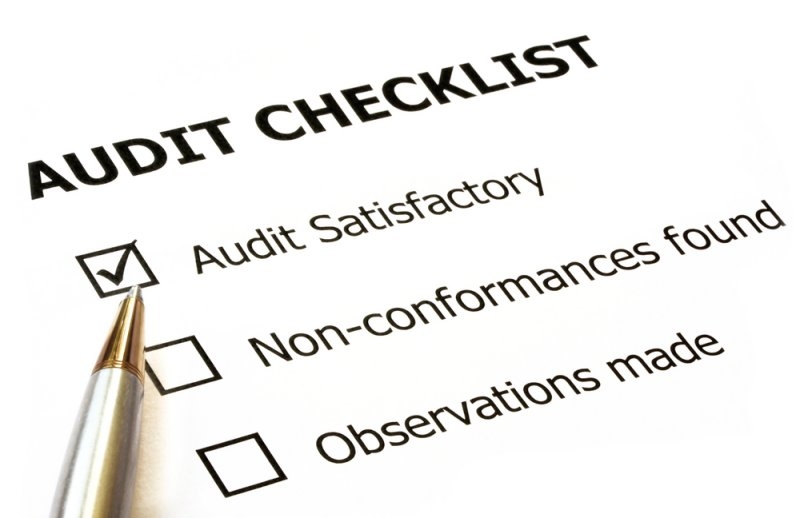
The GDPR compliance checklist will translate general legal requirements into action-orientated steps. You should:
- Maintain an up-to-date inventory of personal data.
- Keep a record of your processing's purposes and legal grounds.
- Provide clear and accessible privacy information.
- Collect only necessary personal information.
- Maintain appropriate retention and deletion procedures.
- Don't provide access to personal data unless there's a business need to do so.
- Review security controls and employee access regularly.
- Have processes for handling individual rights requests.
- Assess third-party vendors that process personal information.
- Maintain a documented data breach response process.
Use the checklist regularly. It shouldn't be just a one-off exercise. New software, vendors, marketing platforms, data sources, and business processes create new privacy risks.
Implementing dedicated GDPR compliance software along with ongoing review, assessment, and refreshment of the GDPR checklist makes GDPR data protection the norm instead of an annual business activity.
Steps to Take When a GDPR Data Breach Occurs
A GDPR breach can be any accidental or unlawful destruction, loss, alteration, unauthorised disclosure, or access to personal data. Companies should ensure a process to trigger their Incident Response Plan where they must clearly document what happened, what information was accessed/destroyed, who could be at risk, and what containment measures they put in place to fix the issue.
GDPR breach notification requirements can be time-critical. A data breach could be considered an infringement of personal data that is likely to result in a risk to the rights and freedoms of individuals. The controller will typically be required to report the breach to the relevant supervisory authority within 72 hours.
Also Read: GDPR vs CCPA Compliance: What Businesses Really Need to Know
What Are The Penalties For GDPR Violations?
Ultimately, corrective measures are left to the discretion of the supervisory authority, which may impose a warning or reprimand on the controller or processor, impose a limitation on processing, or temporarily or permanently impose an administrative fine.
For some serious breaches, the fine can be up to 20 million or 4% of the overall annual worldwide turnover in the previous financial year - whichever is higher. The actual fine is determined according to the circumstances, gravity, and duration of the breach.
How to Maintain GDPR Compliance Long-Term?
The learning curve on GDPR compliance is just the start. As GDPR regulations, processes, and testing requirements evolve, you'll want to revisit processing, refresh notice and consent, re-evaluate vendors, decommission uses, test controls, and train those employees who use personal data.
Privacy and cybersecurity should be linked in an effective, comprehensive GDPR compliance programme. Entry controls, encryption and tokenisation, logging, proper disposal of data, incident response, and risk assessment are all specific things that are capable of addressing GDPR data privacy and also general information security.
Conclusion
GDPR is not a one-and-done document that your business simply fills out. GDPR is a continuous process that requires a business to comprehend its data, give proper legal grounds, honour rights, limit data gathering and protect data, and take appropriate action in the event of a breach.
Leveraging an agent-powered compliance platform like Attestpath.ai alongside a structured checklist and regular audits simplifies GDPR data protection while building lasting trust in your business.
Frequently Asked Questions
Is GDPR applicable to paper files?
Yes, where personal data is held in structured paper-based filing systems, it is held within a relevant filing system. This means you must think about physical records too.
Will GDPR affect marketing emails?
Yes. Marketing use of personal data may be covered by the GDPR. You require a valid legal ground and must include the relevant privacy information and respect any applicable rights (including the right to object to direct marketing).
Does deleting data automatically make a business GDPR compliant?
The deletion of undesired data is within the scope of the data protection obligations imposed by the GDPR. Still, this is just one of many other steps that they should take. Legal processing, notice, individual rights, security, storage, accountability, suppliers, and a host of other considerations.
Should businesses review their GDPR practices after changing software?
Yes. A privacy review can help a new cloud service, analytics, technology, or customer relationship platform do a better job of protecting personal information from being collected, accessed, stored, or shared in a new way.
Can a data processor be held responsible for GDPR obligations?
Yes. There are different obligations under GDPR for controllers and for processors. Any processor processing personal data on behalf of a controller is subject to the same contractual and other obligations, including GDPR obligations relating to security and assistance.




